Roses are renowned for their stunning blooms and gorgeous fragrance, and they’re one of the most cherished parts of my garden. But to truly flourish, roses need more than sunshine and water — fertilizing roses regularly is essential for giving them the nutrients they need to grow strong and stay healthy. Without fertilizer, roses would not give you the mass of spectacular flowers that we all love!
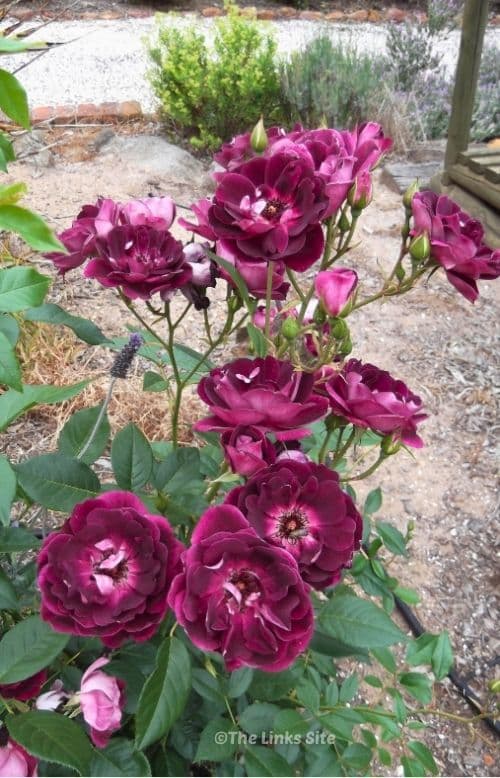
I have many roses in my garden — some inherited when we moved in, others planted over the years. We keep them close to the house so we can enjoy their colour from inside and breathe in their scent as we walk past. Having the roses close to the house is also beneficial if you have rabbits as pests, like we do! The rabbits are less likely to nibble on the rose bushes if they have to come close to the house!
Growing roses does take a little more effort than some plants, but the payoff is worth it. Along with regular pruning (you can read more in my post on How to Prune Roses), roses also need consistent fertilizing to support strong, healthy growth.
Why Fertilizing Roses Matters
Roses may be tough, but they’re also heavy feeders. They use nutrients quickly, and without a steady supply they can struggle to produce vibrant blooms or maintain lush foliage.
The key nutrients roses need include:
- Nitrogen (N) for leafy green growth
- Phosphorus (P) for strong roots and abundant flowers
- Potassium (K) for overall plant health and disease resistance
Providing these nutrients through the right rose fertilizer helps your plants grow vigorously, produce more blooms, and better withstand stress from drought, pests, and disease.
For pest issues, such as aphids, you can read more in my post on how to get rid of aphids on roses.

Types of Rose Fertilizers
Organic Rose Fertilizers
Organic fertilizers come from natural sources such as compost, manure, blood and bone, and fish emulsion. These products break down slowly, feeding the soil and supporting long‑term soil health. They’re ideal for gardeners who want to build a thriving ecosystem beneath their roses.
Synthetic Rose Fertilizers
Synthetic fertilizers are man‑made and formulated to deliver precise nutrient ratios. They’re usually fast‑acting and convenient, especially when your roses need an immediate boost. Many are designed specifically for roses, making them easy to use.
Fast‑Acting vs Slow‑Release Fertilizers
- Fast‑acting fertilizers (often synthetic or liquid organic options like fish emulsion) deliver nutrients quickly.
- Slow‑release fertilizers (granular or pelletised) break down gradually, providing a steady supply of nutrients over time.
Most gardeners — myself included — use a combination of both, depending on the season and what the roses need.

When to Fertilize Roses
During winter, roses are dormant and require little to no fertilizer. However, after winter pruning, it’s beneficial to apply an organic fertilizer such as compost or pelletised seaweed to prepare the plant for spring.
Once you see 4–6 inches of new growth, it’s time to start feeding your roses with a nutrient‑rich fertilizer. Continue fertilizing every 6–8 weeks, or as recommended by the product you’re using.
How to Apply Fertilizer to Roses (Tips for Success)
- Fertilize in the early morning or late afternoon to avoid heat stress.
- Water your roses beforehand so the soil is moist but not soggy.
- Always follow the instructions on your fertilizer packaging.
- Apply fertilizer around the base of the plant, keeping it 15–20 cm (6–8 inches) away from the stems.
- Gently work the fertilizer into the soil with your hands or a small rake.
- Water again after fertilizing to help the nutrients soak in.
- Add mulch if you haven’t already — it helps retain moisture and supports soil health.

Fertilizing Roses in Autumn
As autumn arrives and growth slows, switch to a low‑nitrogen, high‑phosphorus fertilizer. This reduces soft new growth (which can be damaged by cold winter temperatures) and encourages strong root development heading into dormancy.
Final Thoughts on Feeding Roses
Fertilizing roses doesn’t have to be complicated. With a simple schedule and the right products, your roses will reward you with healthier growth, more blooms, and improved resilience. A little care goes a long way in creating a rose garden you’ll love year after year.
FAQs About Fertilizing Roses
Most roses benefit from fertilizing every 6–8 weeks during the growing season.
A balanced rose fertilizer with nitrogen, phosphorus, and potassium works well. Many gardeners use a mix of organic and synthetic products.
Yes. Too much fertilizer can burn the roots or encourage weak, leggy growth. Always follow the product instructions.
No — roses are dormant in winter. Wait until after pruning and apply a gentle organic fertilizer to prepare for spring.
Organic fertilizers support long‑term soil health, but some roses benefit from the occasional fast‑acting synthetic feed, especially during peak blooming.

Further Reading: Organic Rose Fertilizer Ideas
If you’d like to make your own organic rose fertilizer, the link below shares four simple DIY ideas using common household and garden materials.
Homes & Gardens: How to make your own rose fertilizer – 4 expert-recommended methods




 Hi, I'm Kaylene, and I'm a keen gardener,budding baker and wannabe DIYer!
Leave a Reply