When spring arrives and the garden starts bursting with new growth, aphids on the roses always seem determined to spoil the show. The good news is that getting rid of them naturally is much easier than you might think, and you don’t need to reach for harsh chemicals to protect your beautiful blooms.
Why Aphids Love Roses in Spring
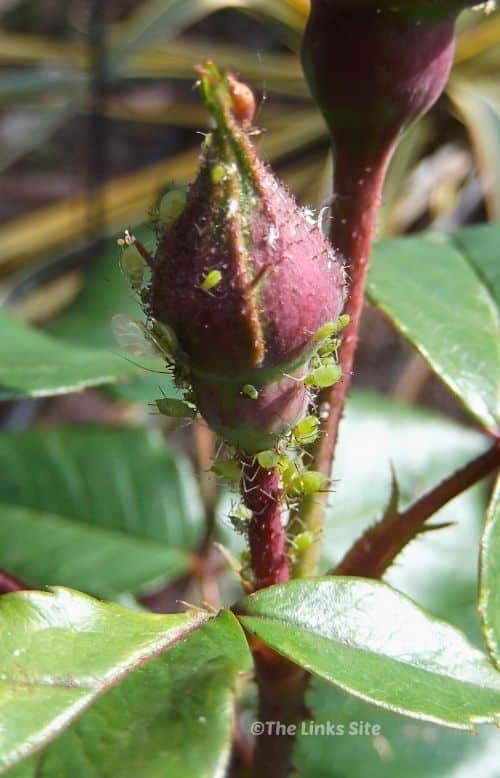
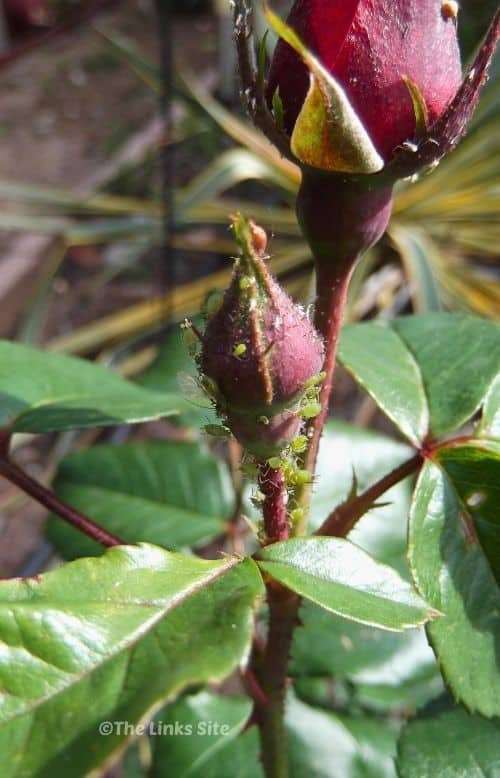
As soon as our rose bushes wake up after winter, they take off quickly. Within weeks they’re covered in soft new shoots, flower buds, and the promise of a gorgeous display. Unfortunately, that fresh growth is exactly what aphids love. They gather on the tender buds, sucking out moisture and distorting the petals before the flowers even have a chance to open.
After putting in the effort to prune and fertilize the roses, it’s always disappointing to spot the first cluster of aphids. This year our roses were looking especially wonderful, so I wasn’t about to let a tiny insect ruin the display. I went searching for natural aphid control methods — because I prefer to avoid chemicals wherever I can.
Natural Aphid Control for Roses
The main natural control methods I found were simple and surprisingly effective:
- squashing aphids
- blasting them off with water
- encouraging natural predators
- using eco‑friendly insecticidal soap
Squashing Aphids by Hand
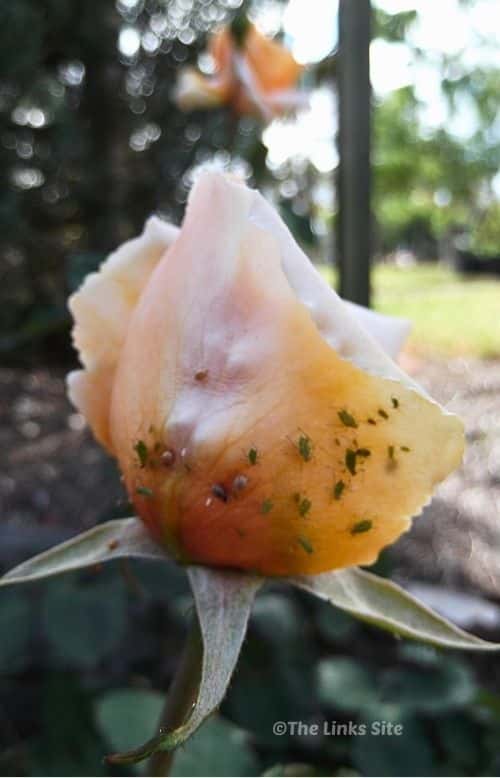
Squashing aphids is a bit of an icky job, but honestly, it’s not as bad as it sounds. Most aphids sit on the new growth and buds, so they’re easy to find. I just gently ran two fingers along the stems and buds, and the aphids either fell off or squashed easily. Don’t forget to check the underside of new leaves — they love hiding there.
My fingers did get a bit sticky, but it wasn’t terrible. Gloves would work too… or you could recruit a kid who enjoys squashing bugs!
Blasting Aphids Off With Water
Next, I tried blasting them off with water. Instead of using the hose (which felt like overkill), I used a 2‑litre pressure spray bottle. A few pumps, a firm spray, and the aphids came right off. It’s best to do this early in the day so the buds and leaves have time to dry before the sun can burn them.
Encouraging Natural Aphid Predators
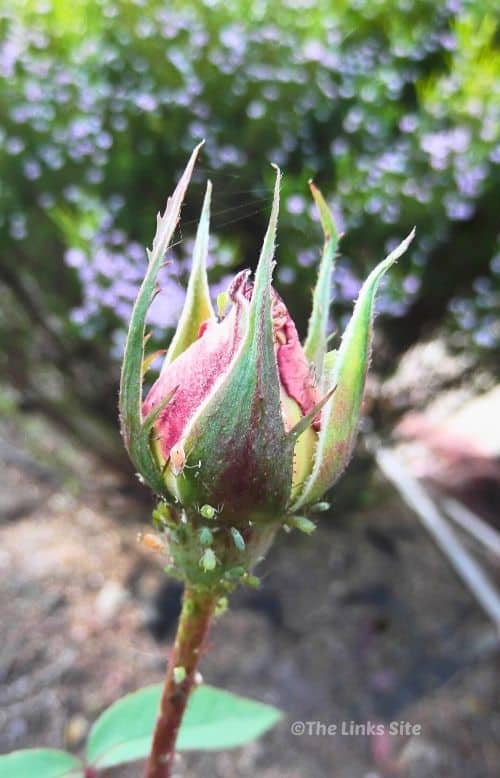
One of the most effective — and satisfying — ways to control aphids on roses naturally is to let the garden’s own predators do the work. As I spent more time checking the roses, I started noticing signs of these helpful insects everywhere.
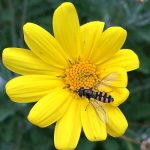
Hoverflies were the first helpers I spotted. I managed to photograph a small wasp‑like insect on the roses, and later learned it was actually a hoverfly. Their larvae are voracious aphid eaters, so I say — go get ’em, little guys!
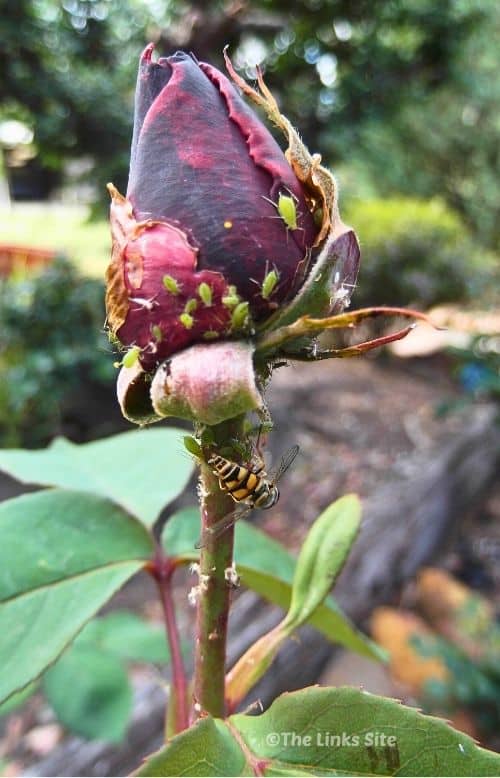
If you’re curious to learn even more about how hoverflies help control aphids naturally, Cornell University has a helpful fact sheet on hoverflies as biocontrol agents.
I also noticed many aphids turning light brown and dry. These are aphids that have been parasitised by the Aphidius rosae wasp. This tiny wasp lays its eggs inside the aphids, and the larvae then eat them from the inside out. It sounds a bit gruesome, but it’s incredibly effective and completely natural.
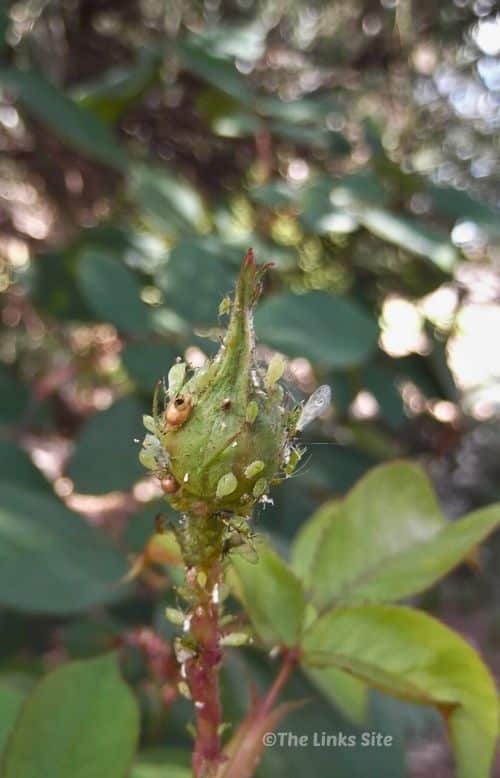
If you’d like to learn more about the kinds of insects that help keep aphid numbers down, the RHS has an excellent overview of aphid predators that help keep garden pests under control.
Seeing these beneficial insects in action is one of the biggest reasons I avoid harsh insecticides. I don’t want to harm the good bugs doing the hard work for me!
Using Eco‑Friendly Insecticidal Soap
If squashing and water aren’t enough, an environmentally friendly insecticidal soap is a good backup for natural aphid control on roses. It’s gentle on beneficial insects and still effective on aphids.
Companion Plants That Help Control Aphids
Your garden can help too. Certain plants discourage aphids, while others attract their predators:
- Discourage aphids: garlic, onions
- Attract predators: dill, coriander, lavender
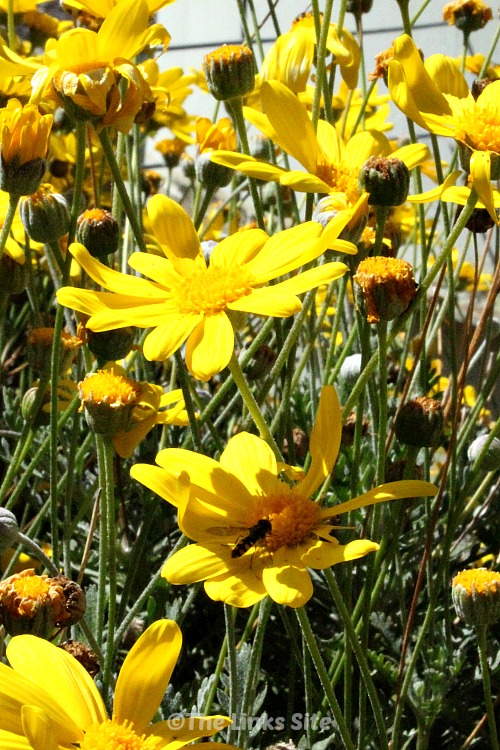
Several flowering plants in our garden attract masses of hoverflies in spring. Our thryptomene, Californian lilac, diosma, and marguerite daisies are always buzzing with hoverflies when they’re in bloom — and I’m sure that’s helping to reduce aphid numbers.
Final Thoughts: Keeping Roses Healthy & Pest‑Resistant
With around 25 rose bushes, I’ve found that manual control and natural predators work beautifully as part of a natural approach to controlling aphids on roses. Even though the aphid numbers looked high at first, they’ve already started dropping — likely thanks to the hoverflies.
Healthy roses are always less susceptible to pests, so good care goes a long way. And now that I’ve seen how effective natural aphid control can be, I’m far less worried when aphids appear. Nature really does know what it’s doing!
FAQ: Natural Aphid Control for Roses
You can remove aphids naturally by squashing them, blasting them off with water, encouraging predators like hoverflies, or using eco‑friendly insecticidal soap.
Aphids are attracted to soft new growth, especially in spring. Fresh shoots and developing buds provide the moisture and nutrients they love.
Yes. Hoverfly larvae are excellent natural predators and can eat large numbers of aphids on roses.
Eco‑friendly insecticidal soap is safe for roses and effective on aphids while being gentle on beneficial insects.
Yes. Plants like garlic and onions deter aphids, while dill, coriander, and lavender attract natural predators. Many other flowering plants attract hoverflies aswell: Check out what attracts hoverflies to my garden!


 Hi, I'm Kaylene, and I'm a keen gardener,budding baker and wannabe DIYer!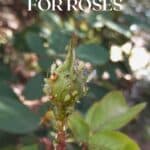
Leave a Reply